Introduction
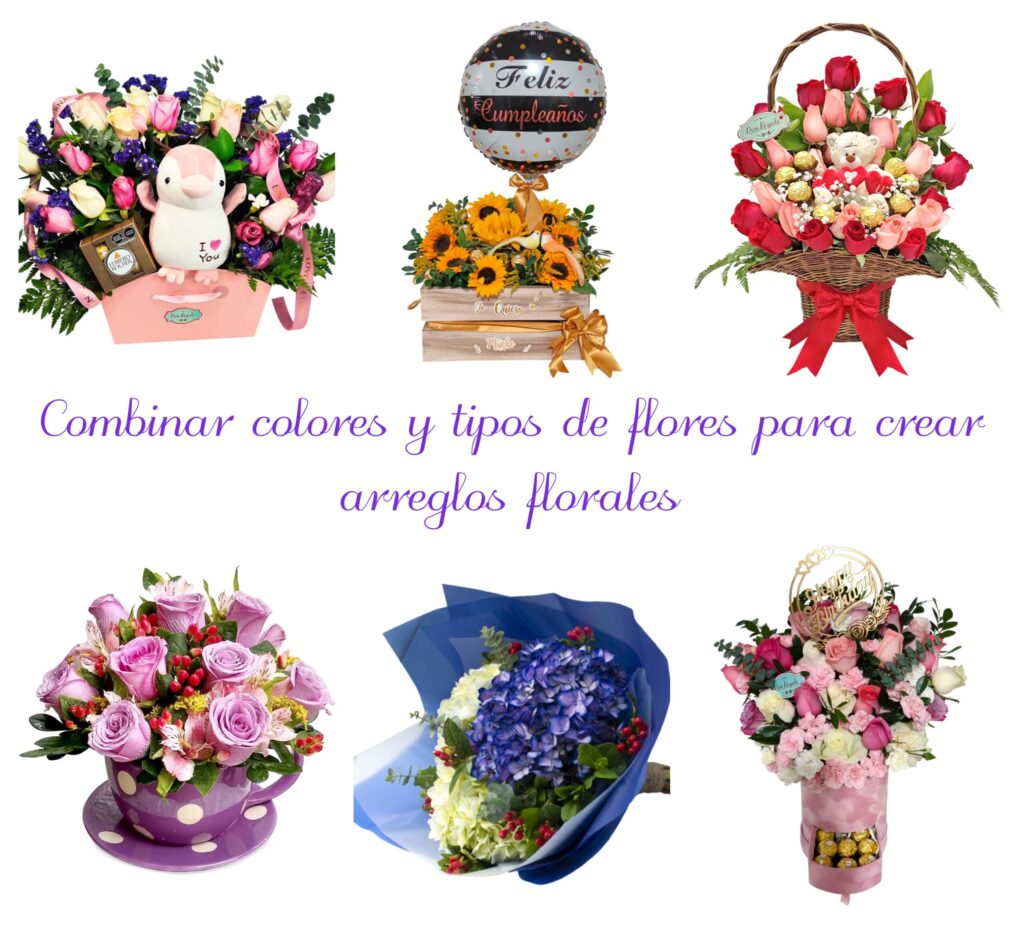
Ramos de Flores, or flower bouquets, are a cherished part of cultural expression and artistry in many societies. They serve not only as decorative elements but also as symbols of emotions, celebrations, and traditions. The craft of creating floral arrangements is an age-old practice that intertwines art, nature, and personal expression. In this article, we will explore the tradition of Ramos de Flores, its historical significance, cultural diversity, and contemporary relevance.
Historical Significance
The tradition of giving and creating flower bouquets dates back centuries. In many ancient civilizations, flowers were used in rituals, ceremonies, and as offerings to deities. The Egyptians, for instance, used flowers in their burial rites to honor the deceased, believing that they could carry messages to the afterlife. Similarly, in Ancient Greece and Rome, flowers were associated with gods and were commonly used in celebrations and festivities.
As floral arrangements evolved, so did their meanings. Different flowers came to symbolize various sentiments—roses for love, lilies for purity, and chrysanthemums for loyalty. This symbolic language of flowers, known as "floriography," became particularly popular during the Victorian era, allowing individuals to convey feelings that words might not express.
Cultural Diversity
The art of Ramos de Flores proliferates across different cultures, each bringing its unique flair and significance.
Mexican Tradition
In Mexico, Ramos de Flores are often created for celebrations such as weddings, quinceañeras, and Day of the Dead. Brightly colored flowers, most notably marigolds, play a vital role during Día de los Muertos, where they are used to honor and welcome deceased loved ones. The vibrant hues and fragrances of these blooms create a festive atmosphere, bridging the gap between the living and the deceased.
Japanese Ikebana
In Japan, the art of flower arrangement is known as Ikebana, which transcends mere decoration to become a spiritual practice. Ikebana emphasizes simplicity, balance, and harmony with nature. Each arrangement tells a story and reflects the changing seasons, showcasing the beauty of impermanence—a concept deeply rooted in Japanese culture.
European Bouquets
In European tradition, floral arrangements have also been significant in various ceremonies. For instance, in France, the language of flowers became a fashionable way to convey romantic sentiments. Bouquets became elaborate, with elaborate compositions of seasonal blooms, emphasizing texture and color. From the elegant bridal bouquet to the simple hand-picked bouquet, the art of flower arranging in Europe has evolved significantly over time.
Contemporary Relevance
In today’s world, Ramos de Flores continues to hold a special place in various aspects of life. The rise of social media has further popularized floral arrangements as a form of art and personal expression. Florists and enthusiasts alike share their creations on platforms such as Instagram, inspiring others to explore their creativity through floral design.
Moreover, the sustainable flower movement has brought attention to the environmental impact of flower sourcing. Many florists now prioritize locally grown, seasonal flowers, promoting ecological awareness and supporting local economies. Workshops and classes on floral design have become popular, allowing individuals to engage directly with nature and develop a deeper appreciation for the art of arrangement.
Conclusion
Ramos de Flores represents more than just an arrangement of flowers; it embodies a rich history and a universal language of expression. As we continue to embrace this art form across cultures and generations, we also recognize its power to communicate emotions, celebrate life milestones, and connect with nature. Whether through a simple bouquet gifted to a friend or an elaborate arrangement for a special event, the beauty of Ramos de Flores will continue to flourish in the hearts of many, reminding us of the delicate balance between art and nature.